Fashion Forward: Eco-Friendly Trends and Fabrics for 2026
Fashion Forward: Eco-Friendly Trends and Fabrics for 2026 #
Explore Fashion Forward: Eco-Friendly Trends and Fabrics for 2026. Discover sustainable styles and materials shaping tomorrow’s fashion scene! The fashion industry stands at a critical juncture as we approach 2026. The era of vague sustainability claims and “greenwashing” is rapidly fading, replaced by a rigorous demand for measurable impact, radical transparency, and material innovation. For designers, brands, and consumers alike, 2026 represents a shift from merely “doing less harm” to actively doing good through regenerative systems and circular economies.
This guide explores the defining eco-friendly trends and innovative fabrics forecasted to dominate the market in 2026. By prioritizing bio-based engineering, soil-centric agriculture, and digital traceability, the fashion world is poised to redefine luxury and utility for a planet in flux.

The Core Philosophy of 2026: Regeneration and Circularity #
The overarching theme for 2026 is the transition from sustainable to regenerative. While sustainability focuses on maintaining the status quo, regeneration aims to restore and replenish natural systems. This philosophy influences every level of the supply chain, from how fibers are grown to how garments are disassembled at the end of their life.
Three pillars define this new era:
Bio-Integration: Materials that work with biology, not against it.
Radical Traceability: The normalization of the Digital Product Passport (DPP).
Circular Design: Creating products with their end-of-life specifically engineered into their beginning.
Key Sustainable Trends for 2026 #
1. The Rise of “Soft Functionality” and Modular Design #
In 2026, the separation between “performance wear” and “high fashion” will blur completely. Consumers are demanding soft functionality—garments that offer the technical benefits of activewear (breathability, thermoregulation, durability) but retain the aesthetic of tailored luxury. This trend is driven by climate adaptability; as weather patterns become more unpredictable, clothing must adapt.
Expect to see modular garments becoming mainstream. These are pieces designed with detachable components—sleeves that unzip, hemlines that adjust, and layered systems that allow a single garment to serve multiple functions. This reduces the need for volume consumption, aligning with the “buy less, buy better” ethos.
2. The Digital Product Passport (DPP) Revolution #
Upcoming legislation, particularly in the European Union, is making transparency non-negotiable. By 2026, the Digital Product Passport will be a standard feature for mid-to-luxury tier garments.
A quick scan of a QR code or NFC tag will reveal:
The full journey of the fiber from farm to factory.
Chemical impact data and water usage stats.
Instructions for repair and resale value.
Precise recycling information for waste management facilities.
This trend boosts SEO for brands that can substantiate their claims, as “traceable fashion” and “transparent supply chain” become high-volume search queries.
3. Regenerative Agriculture as the New Standard #
Brands are moving beyond organic cotton to regenerative cotton and wool. Regenerative agriculture focuses on farming practices that sequester carbon, improve soil health, and increase biodiversity. In 2026, “climate beneficial” will be a more sought-after label than “organic.” This trend connects fashion directly to the fight against climate change, turning garments into carbon sinks.
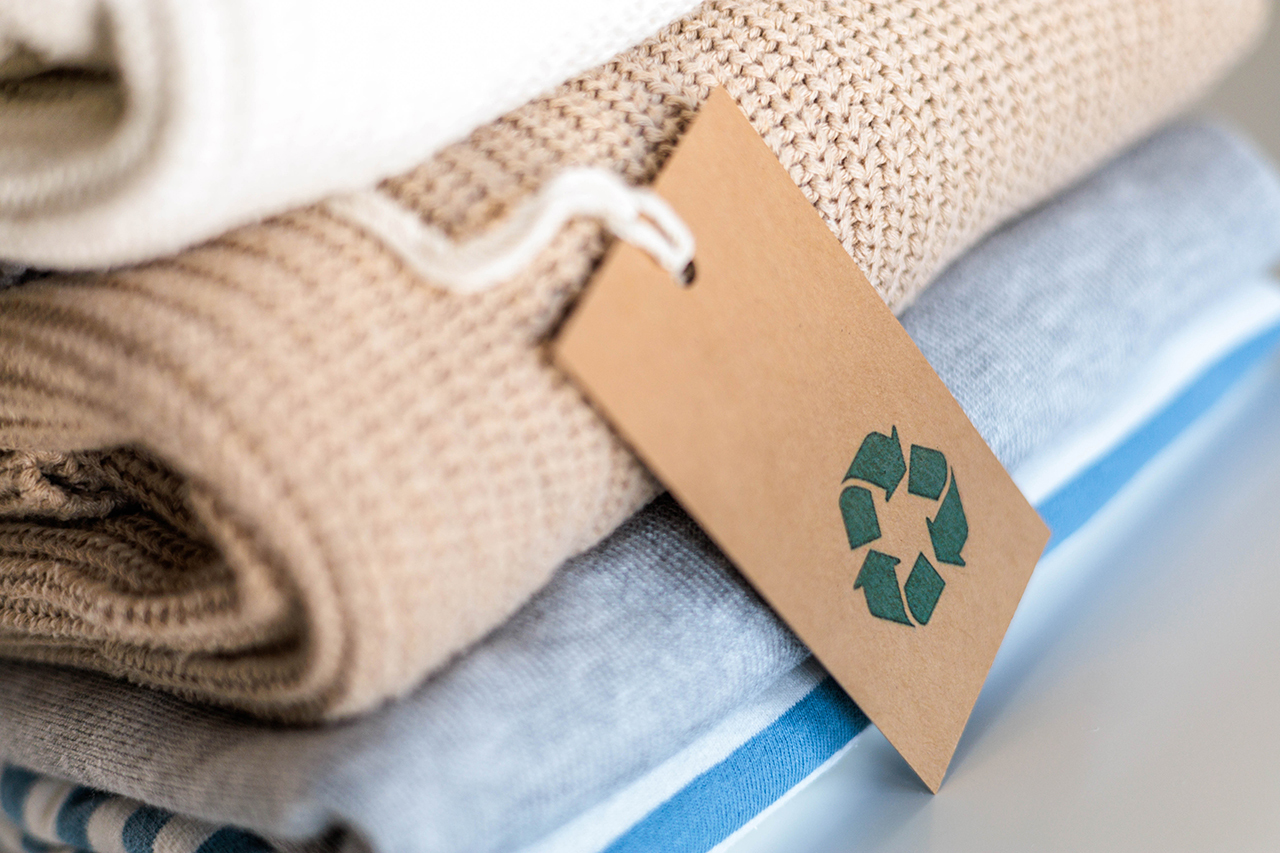
Breakthrough Eco-Friendly Fabrics for 2026 #
The material landscape of 2026 is defined by a mix of ancient fibers reimagined and futuristic bio-materials moving from the lab to mass production.
1. Refined Hemp: The Soft Industrial Revolution #
Hemp has long been the hero of sustainable crops due to its low water requirements and pest resistance, but it historically suffered from a rough texture. In 2026, advances in enzymatic processing (bio-softening) will allow for hemp fabrics that rival silk and fine linen in hand-feel.
Why it is trending: It is carbon-negative and biodegradable.
Application: High-end suiting, flowy summer dresses, and luxury bed linens.
Trendy Keywords: Soft hemp fabric, carbon-negative textiles, sustainable linen alternatives.
2. Mycelium and Bio-Leathers #
Mushroom-based leather (mycelium) is moving from concept pieces to commercial availability. Unlike pleather (often made from plastic/PU), mycelium is grown from fungal networks, offering the durability of animal leather without the cruelty or heavy petrochemical footprint.
Alongside mycelium, look for leathers derived from invasive species (managing ecosystems) and agricultural waste like pineapple leaves (Piñatex) and apple skins.
Why it is trending: It solves the ethical dilemma of leather and the pollution problem of plastic alternatives.
Application: Footwear, handbags, and structured outerwear.
Trendy Keywords: Mushroom leather bags, mycelium textiles, plastic-free vegan leather.
3. Next-Gen Cellulosics: Circulose and Beyond #
The reliance on virgin wood pulp for viscose and rayon is decreasing. The star of 2026 is textile-to-textile recycled cellulosic fiber. Companies like Circulose take discarded cotton clothes, dissolve them, and spin them into brand new, high-quality viscose-like fabrics.
This closes the loop, allowing old t-shirts to become new evening gowns without cutting down a single tree.
Why it is trending: It is the “holy grail” of circular fashion.
Application: Fast fashion alternatives, silky blouses, and activewear blends.
Trendy Keywords: Recycled textile pulp, circular fashion materials, closed-loop viscose.
4. Algae and Seaweed Biopolymers #
Algae is one of the fastest-growing organisms on earth and requires no fresh water or land to grow. In 2026, algae-based bio-foams will replace petroleum-based foams in shoe soles, and seaweed fibers will be blended with eucalyptus for skin-soothing, antioxidant-rich base layers.
Why it is trending: It actively cleans the ocean water where it is grown and is fully biodegradable.
Application: Sneaker soles, activewear, and intimates.
Trendy Keywords: Algae foam shoes, seaweed fabric benefits, carbon-sequestering materials.
5. Brewed Proteins and Lab-Grown Silk #
Mimicking nature through fermentation, “brewed protein” fibers are created using DNA sequences (like spider silk) and fermentation tanks (similar to brewing beer). This results in a fiber that is incredibly strong, lightweight, and biodegradable, created without spiders or silkworms.
Why it is trending: It offers high-performance properties (strength, elasticity) that usually require synthetic petrochemicals.
Application: Performance outerwear, ski gear, and luxury knitwear.
Trendy Keywords: Lab-grown silk, spider silk protein fabric, bio-fabricated textiles.
Implementation for Brands: A Strategic Outlook #
For fashion brands aiming to capture the 2026 market, the strategy must be holistic. Sourcing these fabrics is step one. Step two is integrating the narrative of these materials into the brand story. SEO strategy should pivot away from generic terms like “eco-friendly clothing” toward specific, high-intent long-tail keywords such as “regenerative wool coats,” “repairable modular jackets,” and “biodegradable activewear.”
The consumer of 2026 is educated and skeptical. They are not looking for a “sustainable collection” within a fast-fashion brand; they are looking for brands where sustainability is the operating system. By adopting regenerative fibers, investing in circular systems like resale platforms, and preparing for digital transparency laws, businesses can future-proof their operations against the tightening regulations and shifting consumer values of the late 2020s.
Conclusion #
Fashion in 2026 will be defined by a harmonious marriage of biology and technology. The trends point away from disposability and toward durability, repairability, and biological compatibility. Whether through the softness of enzymatic hemp, the innovation of brewed protein, or the circularity of recycled cotton, the fabrics of the future offer a path to a stylish, yet healed, planet.